Choosing the right college is one of the most important decisions for students planning their careers. With technology transforming every industry, the education landscape is also evolving. Today, many institutions are partnering with global technology leaders to offer industry-focused programs.
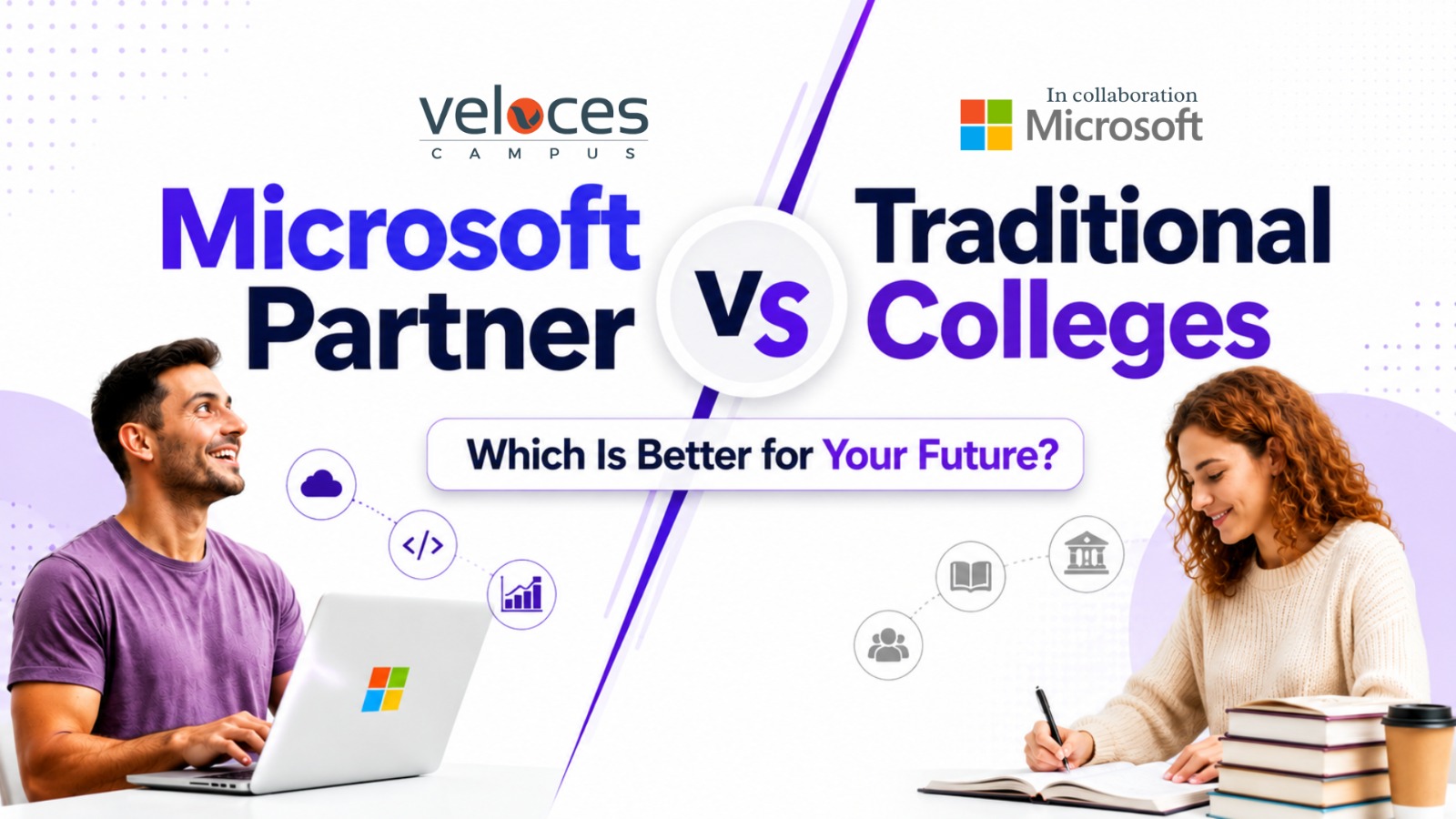
One such model is Microsoft education partner colleges in India, which combine academic learning with technology training and industry exposure. But how do these institutions compare with traditional colleges? Let’s explore the differences and understand which option may be better for your future.
What Are Microsoft Education Partner Colleges?
Microsoft education partner colleges in India are institutions that collaborate with Microsoft to deliver technology-driven programs. These partnerships help integrate modern tools, cloud platforms, and industry certifications into academic curricula.
Students in these programs often gain access to:
- Microsoft learning resources and tools
- Industry-oriented curriculum
- Certification opportunities
- Exposure to real-world technology platforms like Microsoft Azure, Microsoft 365, and development frameworks
The goal is to bridge the gap between academic knowledge and industry requirements.
What Are Traditional Colleges?
Traditional colleges follow a conventional academic model focused on theoretical knowledge, lectures, and examinations. While many universities offer quality education, some programs may not always keep pace with the rapid changes in technology.
Traditional colleges typically focus on:
- Standard academic curriculum
- Classroom-based teaching
- Limited industry integration
- General degree programs without specialized technology exposure
While these institutions provide strong academic foundations, students may need to acquire additional certifications or skills separately.
Key Differences Between Microsoft Partner Colleges and Traditional Colleges
1. Industry-Relevant Curriculum
In Microsoft education partner colleges in India, the curriculum is often aligned with industry needs and evolving technologies. Students learn practical skills such as cloud computing, cybersecurity, data analytics, and software development.
Traditional colleges, on the other hand, may follow a curriculum that changes less frequently, sometimes making it harder to stay updated with the latest technology trends.
2. Hands-On Learning and Technology Exposure
Students in Microsoft partner institutions gain access to tools and platforms used by global companies. For example, they may work with Microsoft Azure for cloud computing or use collaboration tools like Microsoft Teams.
This hands-on experience helps students develop practical skills that employers value.
In contrast, traditional colleges may rely more on theoretical instruction, with fewer opportunities for real-world technology applications.
3. Certifications and Career Readiness
One of the biggest advantages of Microsoft partner programs is the opportunity to pursue industry-recognized certifications while studying.
These certifications can improve employability and demonstrate technical expertise to potential employers.
Students from traditional colleges often pursue certifications separately after completing their degree.
4. Industry Connections and Opportunities
Microsoft partner colleges often collaborate with technology companies, providing students with:
- Workshops and guest lectures from industry experts
- Internship opportunities
- Exposure to real-world projects
Traditional colleges may also offer internships, but the level of industry integration can vary depending on the institution.
5. Future-Focused Skills
Technology is rapidly shaping industries such as artificial intelligence, cybersecurity, cloud computing, and immersive technologies.
Programs in Microsoft education partner colleges in India often focus on these emerging fields, preparing students for future job roles in the digital economy.
Traditional programs may focus more on core academic knowledge, which still provides a strong foundation but may require additional training to match industry demands.
Why Industry Collaboration Matters in Modern Education
The global workforce is increasingly driven by technology. Companies are looking for graduates who not only understand theory but also have practical experience with modern tools and platforms.
Collaborations with companies like Microsoft help universities integrate real-world technology into the classroom, allowing students to learn skills that are directly applicable in industry environments.
This model supports the growing need for job-ready graduates who can adapt to the evolving digital landscape.
Which Option Is Better for Your Future?
Both traditional colleges and Microsoft partner institutions have their strengths.
Traditional Colleges Are Ideal For:
- Strong academic foundations
- Broad theoretical knowledge
- Students planning for research or higher education
Microsoft Partner Colleges Are Ideal For:
- Technology-focused careers
- Hands-on learning experiences
- Industry certifications and digital skills
- Exposure to real-world tools and platforms
For students aiming to build careers in technology-driven industries, Microsoft Integrated Btech and Bsc Programs can provide a competitive advantage by combining academic learning with industry expertise.
Conclusion
The future of education is shifting toward industry-integrated learning. While traditional colleges continue to provide strong academic foundations, institutions that collaborate with global technology companies are offering students new opportunities to develop practical skills.
Choosing between a traditional college and a Microsoft education partner college in India depends on your career goals. If your aim is to enter the rapidly evolving technology sector with hands-on skills and certifications, partner programs may offer a more future-ready pathway.
As technology continues to transform industries, education models that combine academic knowledge with real-world technology training will play a crucial role in shaping the next generation of professionals.
Views: 9